Ollama Local LLM Gains Monitoring Tools for Production Use
Developers adopting Ollama for local LLM deployment now have guidance on monitoring metrics, logs, and traces as usage scales beyond personal projects.

CANADA — Ollama has emerged as a popular open-source tool for running large language models locally, offering a simple installation process and HTTP API for model interaction. While initially designed for individual developers, its growing adoption in team environments has highlighted the need for production-grade monitoring capabilities.
The tool's simplicity comes with tradeoffs - as usage scales, teams require visibility into model performance metrics like response times, GPU memory usage, and system resource utilization. Without proper monitoring, debugging latency issues or optimizing resource allocation becomes challenging.
Developers can now implement comprehensive monitoring by combining Ollama's native API outputs with external tools. Key metrics include model load times (available through API responses), GPU utilization (via NVIDIA's DCGM exporter), and system logs (accessible through journald or container stdout).
For production deployments, experts recommend adding a reverse proxy with access control before exposing Ollama's API, as it currently lacks built-in authentication. The project's documentation provides guidance on environment variables that control memory management and parallelism, though these details may change between versions.
As local LLM usage grows among Canadian developers and startups, tools like Ollama demonstrate how open-source projects are lowering barriers to AI adoption while requiring teams to implement proper observability practices from the outset.
 News
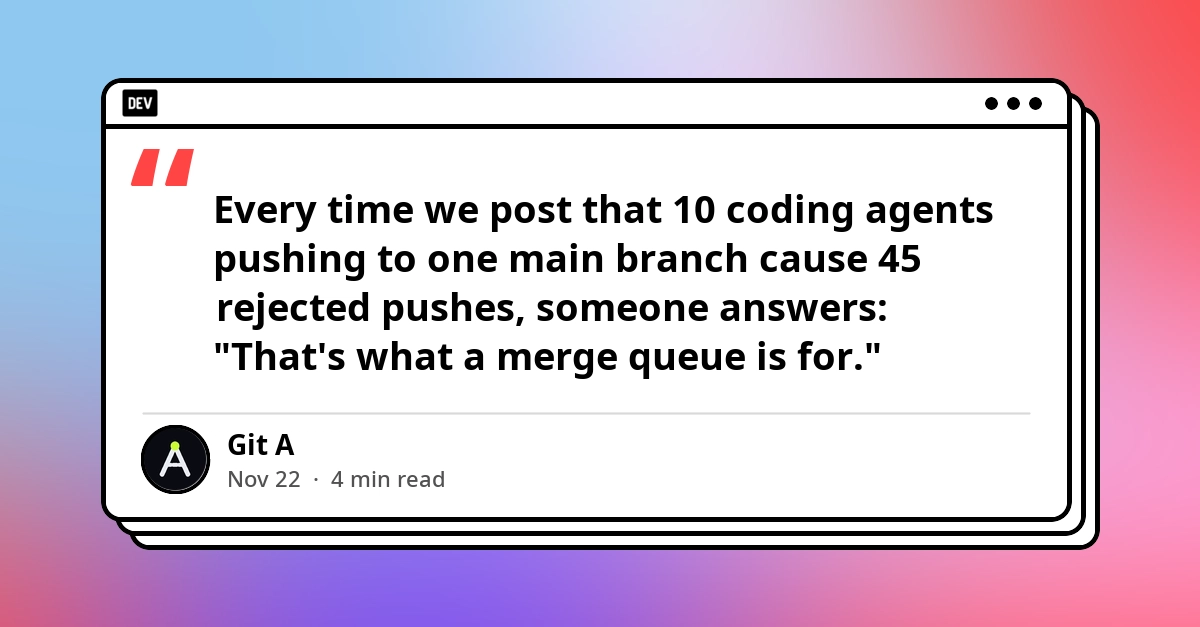
GitHub Merge Queue Test Shows Tradeoffs for AI Coding Agent Workflows
Benchmark reveals merge queues eliminate rejected pushes but add latency when coordinating multiple AI agents on a single codebase
 News
Developers Can Improve Online Presence with Person Schema and Wikidata
A software developer shares practical steps to help Google connect disparate online profiles into a unified knowledge panel.
 News
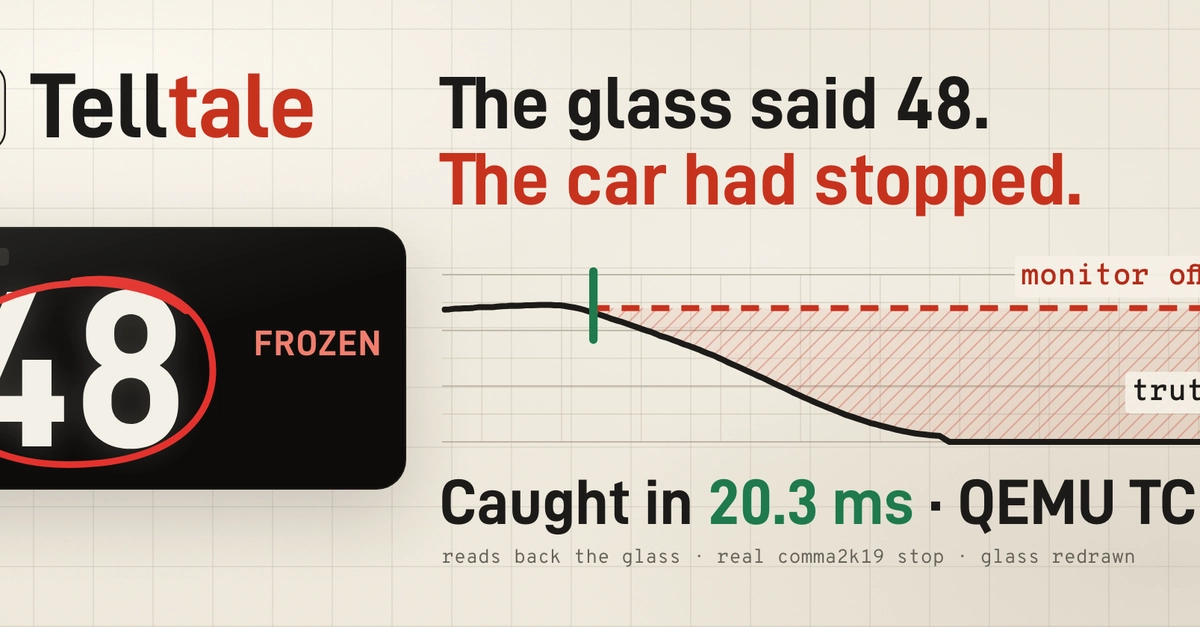
QNX 8.0 Tool 'Telltale' Detects False Instrument Reads in Real-Time
Open-source monitor verifies automotive display accuracy by reading back pixels, addressing critical safety gaps in renderer processes
 News
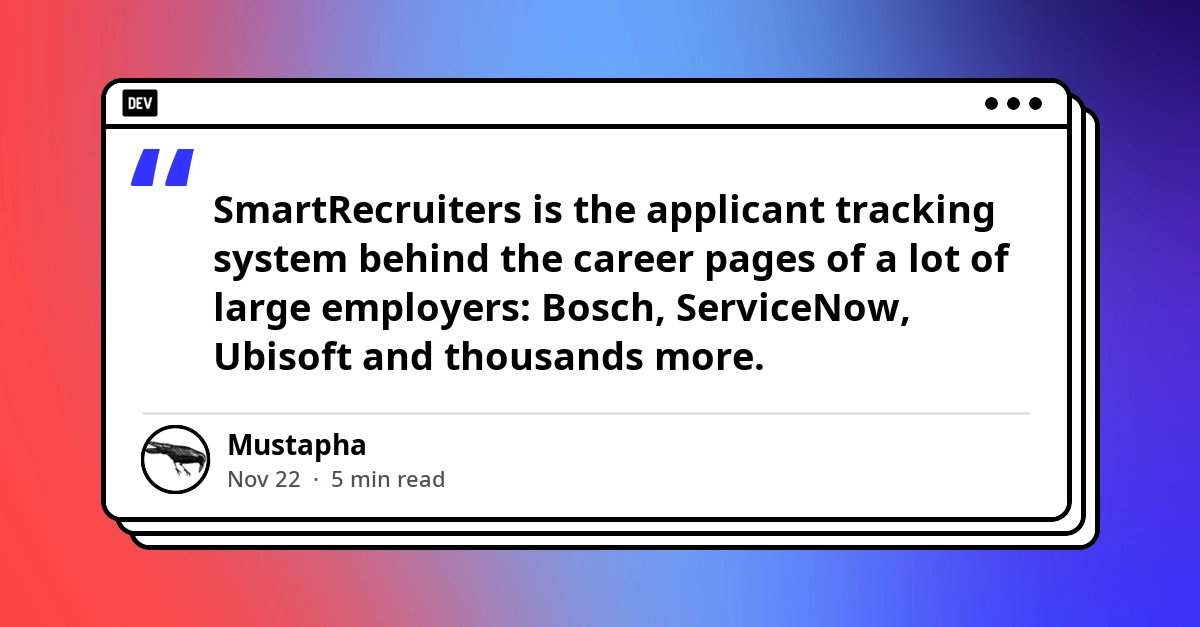
How to Scrape SmartRecruiters Jobs Using Python and Public API
Learn how to access job postings from SmartRecruiters' public API using Python, with no API key required, for building niche job boards or tracking competitor hiring.